Around the Table: Where Community Begins
The Table as Sacred Space (Space, Faith)
When we think of building a community, certain communal spaces come to mind: a school, an office, a church, a recreation center, a town square. But each of us has a communal space in our home—our table—where an intimate type of community can be formed and strengthened.
Our table is where we eat and are nourished, where we linger and laugh, where we become known and more deeply come to know others. A kitchen or dining room table is a space we purposely set apart. While family members may use it to do homework, pay bills, color, or put items down, we clear it and use it for a specific purpose at specific times of the day.
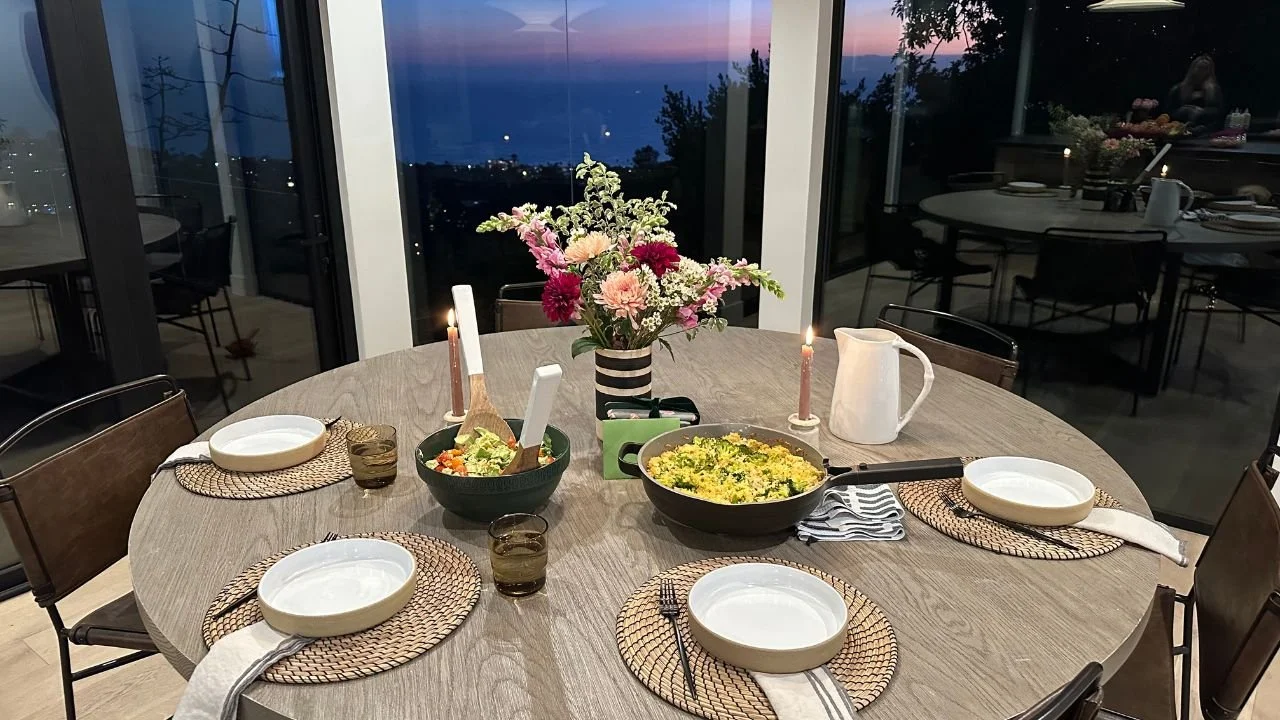
Setting the table for someone before a meal is a small act of faith. It says, "You are worth making room for. You are worth nourishing. You are worth time, effort, and sustained attention."
Community is an essential part of our well-being and a pillar of how we define our health. The sections below outline why community is key to Christ-centered wellness and how cultivating it around meals is an important way to strengthen bonds as well as the other wellness pillars.
As C.S. Lewis once wrote, “The sun looks down on nothing half so good as a household laughing together over a meal.”
Jesus at the Table (Faith)
In the Gospels, we learn that Jesus spent a great deal of time at tables—celebrating, instructing, strengthening, and enjoying others' company.
We can imagine Him getting up from his table at the wedding in Cana to perform His first miracle, changing water into wine, to preserve the hosts' reputations. At this wedding banquet, He reveals how the table is a place of abundance and celebration. It is also a lesson for us that making people feel comfortable and at ease is one gift we can give others when serving them. Even the simplest of ingredients or elements—water and wine—can bring joy to a meal.
Our Lord also shared meals with sinners and outcasts. In the Gospel we read:
While he was at table in his house, many tax collectors and sinners came and sat with Jesus and his disciples. The Pharisees saw this and said to his disciples, "Why does your teacher eat with tax collectors and sinners?" He heard this and said, "Those who are well do not need a physician, but the sick do." (Mt. 9:10-12)
Instances such as these show us that Jesus welcomed all without qualification or stipulation.
Jesus also reveals through His own life that the table is a place for strengthening friendship. While we often focus on Martha's fretting in the account of Jesus eating with her, Mary, and Lazarus at Bethany, He was there in the company of His friends.
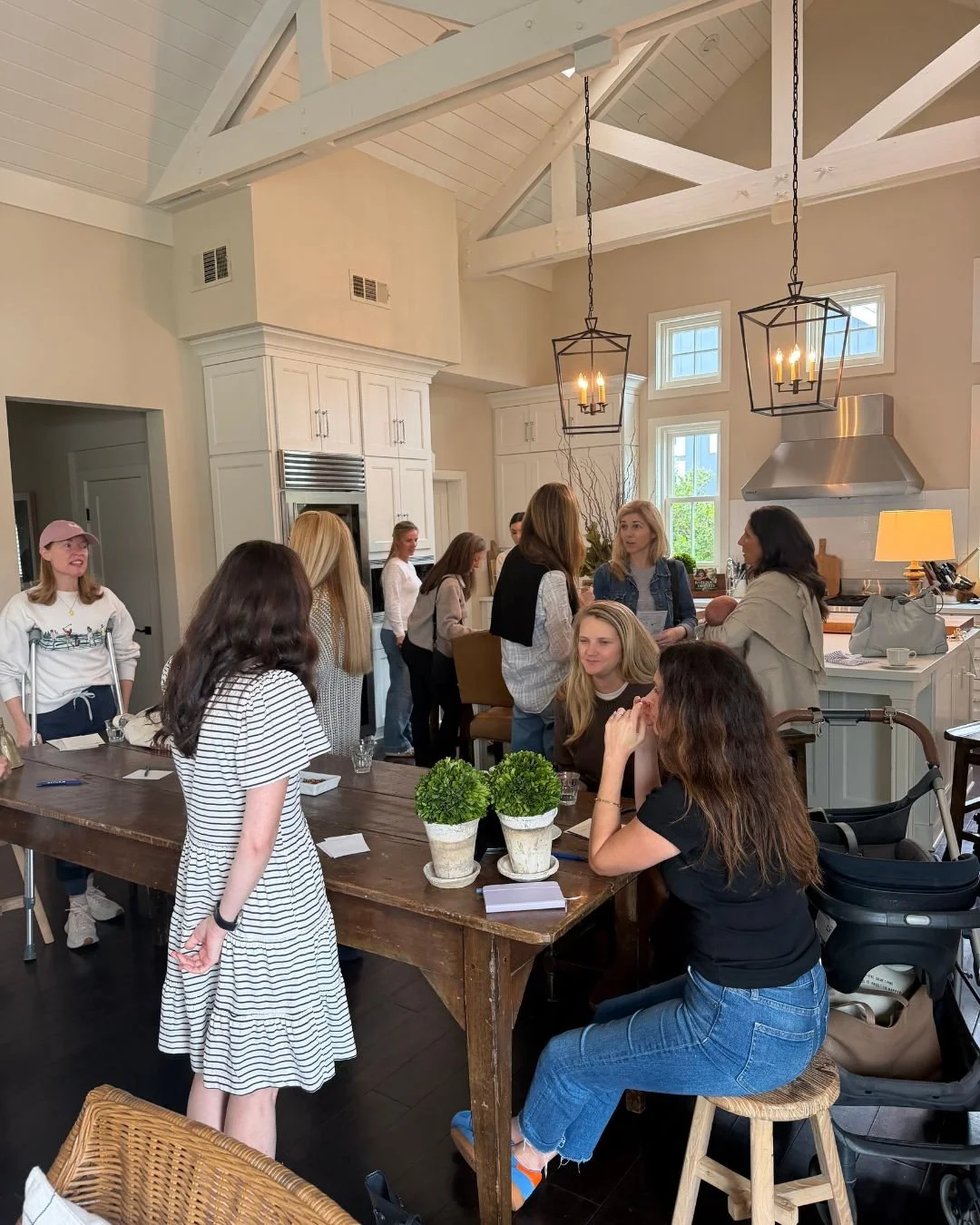
Providing a meal for friends can be a great act of charity, especially in times of illness or grief, as well as joyful times like welcoming a new child. But even more so, serving friends at our table can help ease their burdens and strengthen our relationship with them.
Finally, at the Last Supper, the Lord offers Himself in the Eucharist. The simplest of meals becomes the source and summit of our lives—the most healing nourishment and medicine available. At every Mass, when we approach the altar, we are communing with Our Lord at table, sharing not only a meal, but our whole selves with one another.
Physical and Spiritual Nourishment (Nutrition, Community)
Building a community around our table nourishes us in body and soul.
First, food nourishes the body. When we eat whole, seasonal, and nutrient-dense foods, we provide our body with what it needs for all aspects of our vocations including energy, sleep, repair, digestion, hormone regulation, and immune function.
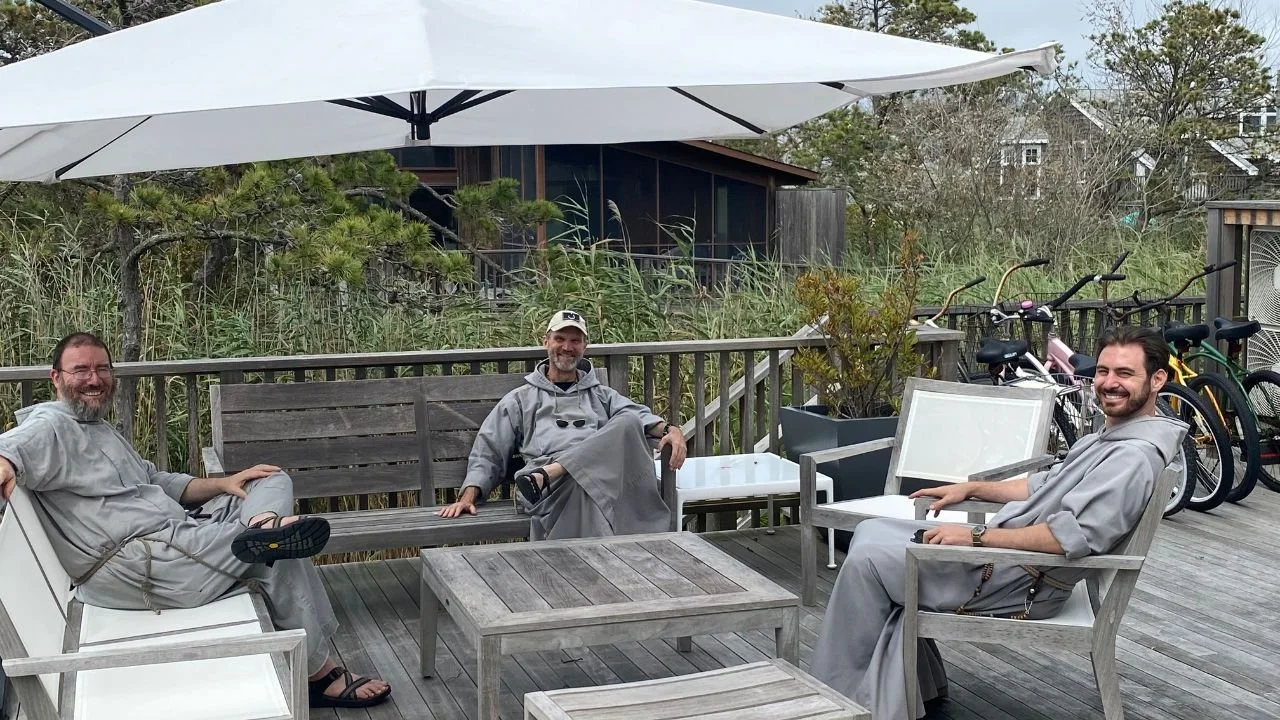
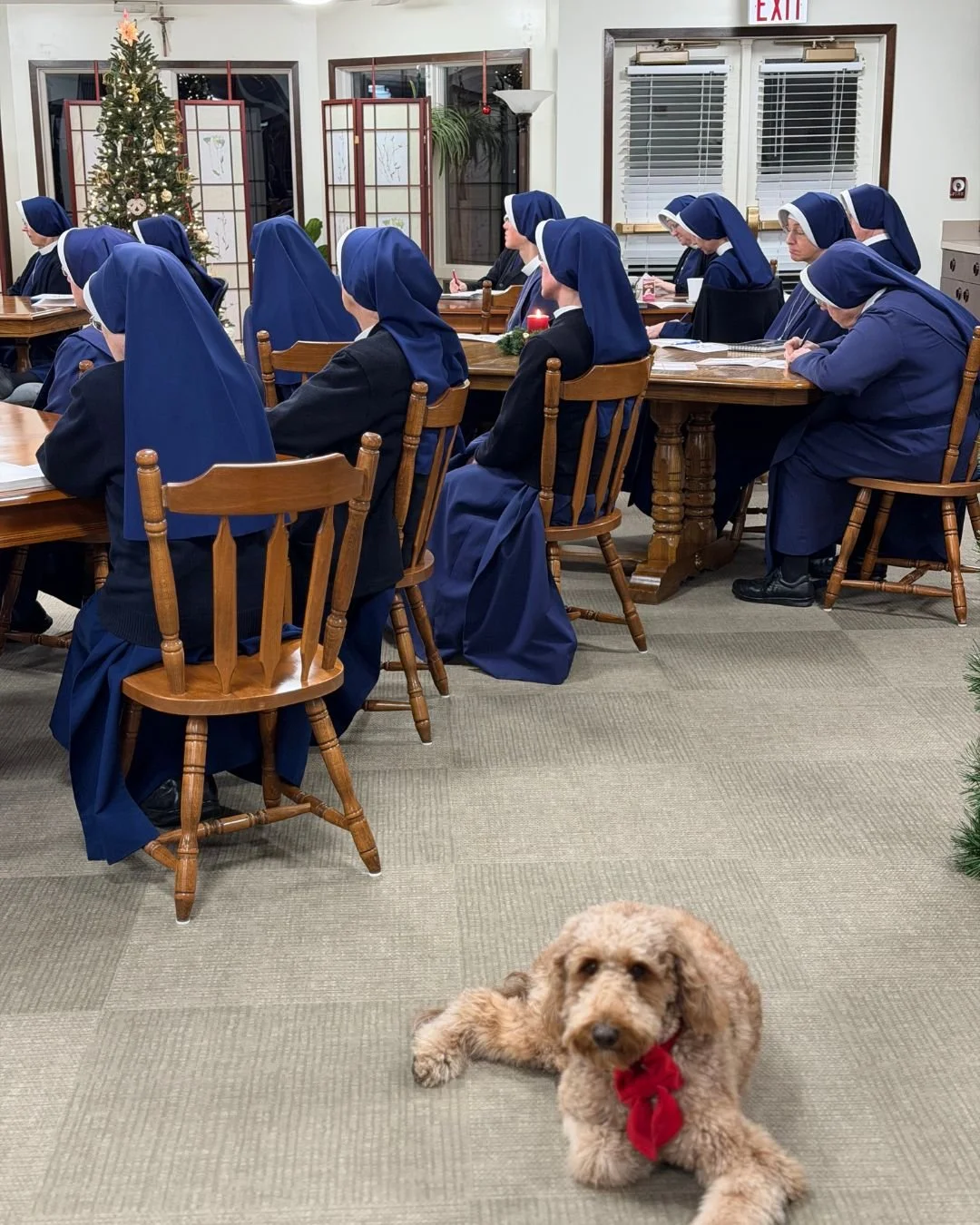
But the table also nourishes relationships. By slowing down, passing the dishes, attentively listening to one another, we feel seen and known and give that with others. Family meals and meals with close friends matter beyond the logistics of getting food on the table. Small, repeated acts of communal nourishment provide children, parents, and spouses with stability and anchors throughout the day. The same for members of religious communities, who share with one another or who eat in silence or contemplation.
Hospitality Over Perfection (Stress Management, Personal Growth)
In today's social media landscape, it’s not hard to feel overwhelmed by having the perfect table—there are countless accounts dedicated to promoting beautiful tablescapes, immaculate homes, and perfectly timed meals. While it is important to have a space that makes guests comfortable, putting too much time and effort into the perfect setting can wear out hosts and guests alike.
The virtue of hospitality is going to look different for every person, in every home. It is a skill that you develop, not something ready made. More important than your dishes or glassware is the attention and warmth that you extend to those you are serving. "Come as you are" applies to both host and guest.
"Martha, Martha, you are anxious and worried about many things," the Lord said while a guest in Bethany. Don't forget to give your eyes, ears, and heart to your guests.
Reclaiming the Meal at Home (Play, Stress Management, Sleep)
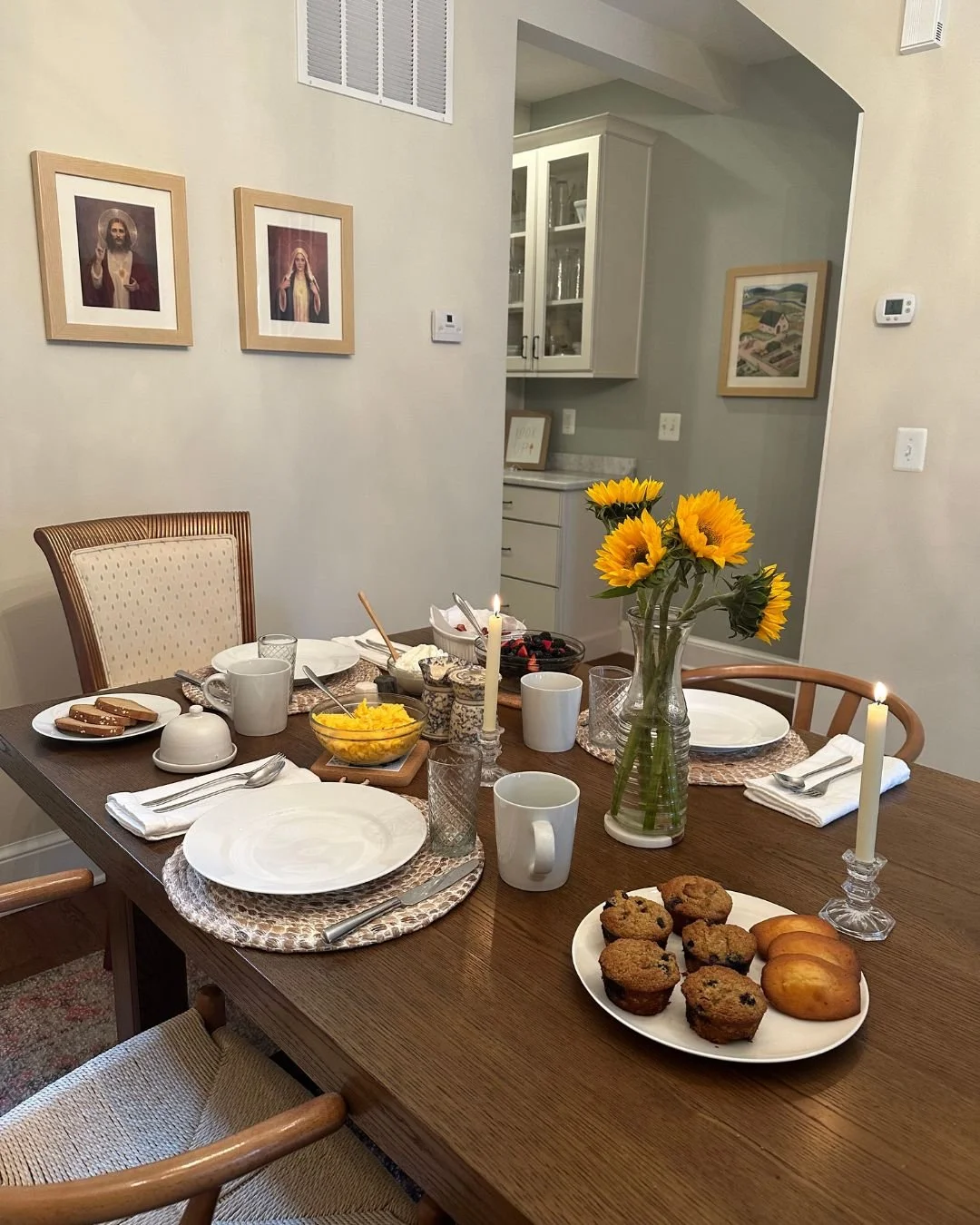
Nightly dinner is an essential aspect of the health and wellness of the most vital community, the family. Work, school, and extracurriculars can make getting nourishing food on the table a challenge. Prep throughout the day or on the weekend where you can, but remember that one of the most important aspects of this habit is forming family bonds.
This is a time to put everyone's phones away, to pray and thank the Lord for the blessings of the day. It is a time to encourage questions of one another, include the children in discussion and model for them how to converse, and to linger when possible before transitioning to other activities that require our attention.
Lingering after a family meal is a form of play—it is unstructured, unhurried time without an agenda. Lingering also as rest, not just leisure, is an important counterpoint to hustle.
If you are finding it challenging to eat as a family, begin a weekly practice with a meal on the Sabbath. Give each member of the family a role, such as prepping the food, setting the table, and clearing the plates. Gradually add in other evenings or meals, such as weekend breakfasts and lunches.
This same hospitality—practiced and formed over time, never perfected alone—is what the Reform Ambassador program cultivates through local groups gathered for formation in faith and community. We invite our Reform Graduates to consider setting the table for others in their local community and accompanying them through our twelve-week course.
The Table Teaches Attentiveness (Personal Growth)
For a community meal to truly nourish, attentiveness to the needs of those at table is key. Noticing who is quiet or hasn't spoken is important to steer conversation toward a topic that could include them. Noticing who needs more, perhaps by bringing over extra servings or passing serving plates ensures guests feel welcome to satisfy their hunger with more.
Attentiveness is the practiced skill underlying hospitality. It is something practiced in other pillars—silent attentiveness in prayer and working in time blocks. As you cultivate it elsewhere in your formation, you can learn to apply it at the table.
Attentiveness to one another requires that screens are put away. While certain types of background music can add ambience and facilitate attention, phones and other devices can take us away from one another. Meals are an essential time for re-connecting without distraction.

From our tables to the altar (Faith)
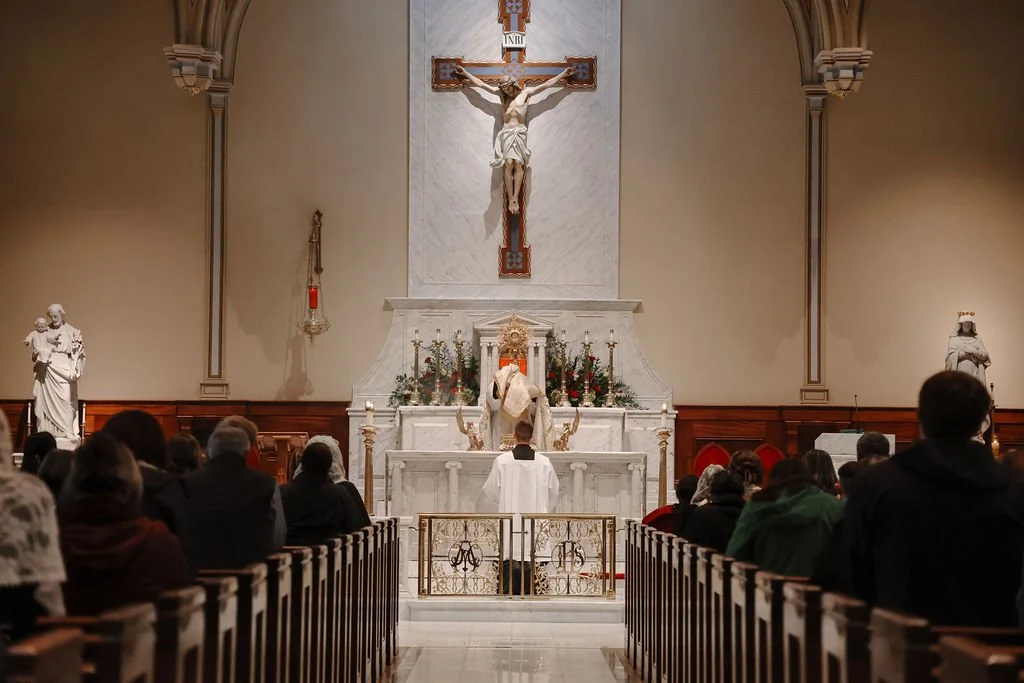
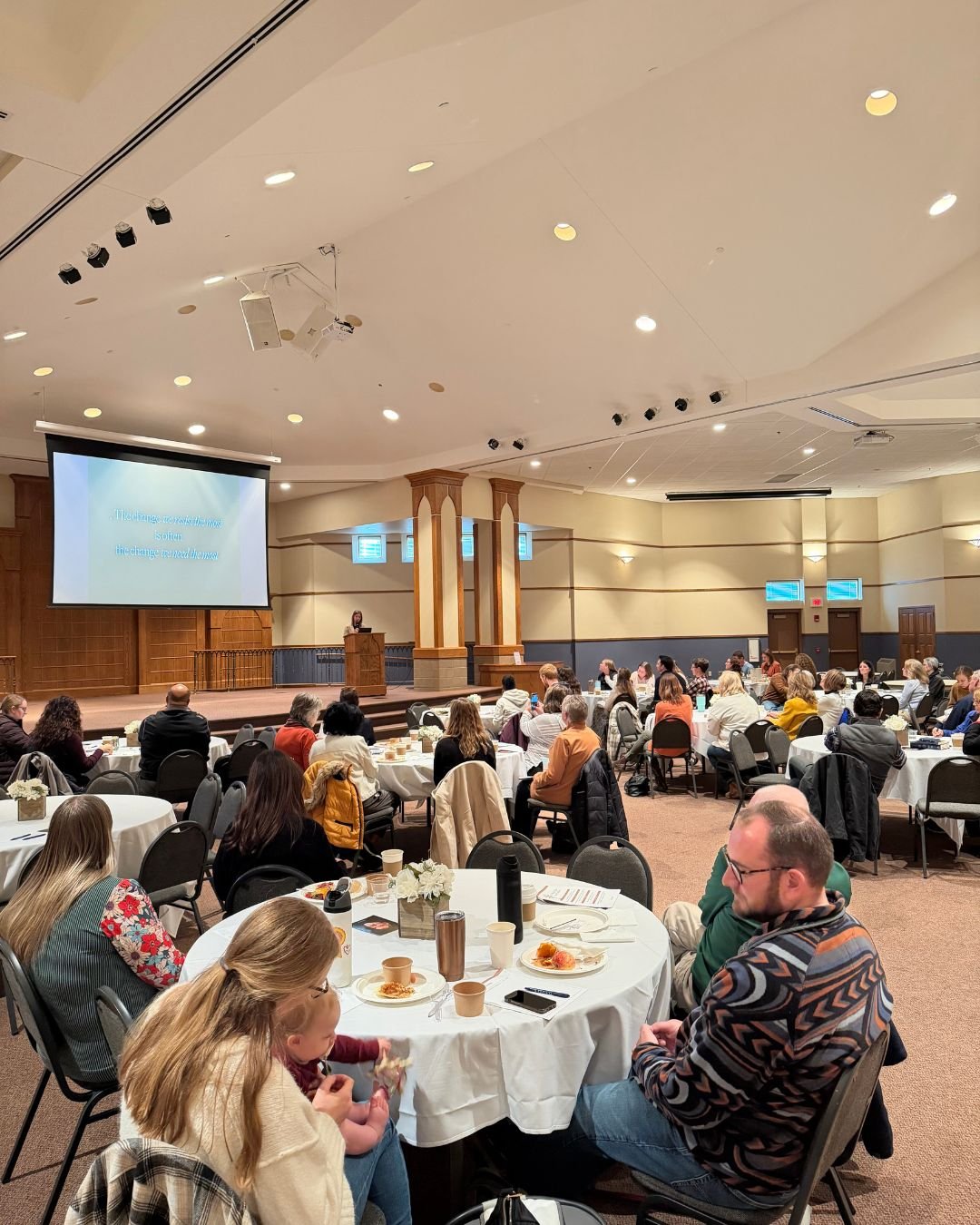
Both the home and parish tables are practice for Eucharistic life. These places are where we practice receiving, giving thanks, sharing, and welcoming. "Behold who you are, become what you receive," Saint Augustine once preached about the Eucharist. Something analogous might be said about our family and community table—our identity as a member of this family, this religious community, is formed when we are nourished together.
Community meals are "small daily liturgies," and can be brought to life through the simple act of saying grace before meals, by thanking God for one thing that happened during the day. It is a way to introduce the idea of the Examen to little ones, to look back over the day and remember where God was present.
Closing Invitation
Providing a meal for others is one of the most basic, human ways to love our neighbor. "Feed the hungry," the Lord commands us (Mt 25:35). Our families, neighbors, and friends hunger for more than food. They hunger to be seen, heard, and loved.
This week, we encourage you to set the table for your loved ones. Consider inviting someone who might otherwise eat alone. Share what you have, and leave aside the pressure to make it perfect. Most importantly, stay awhile with each other.