

Reform, a Little Every Day
Reform, a Little Every Day
On Micro Changes, Habit Stacking, and the Quiet Power of Consistency
Habits for Holiness: Small Steps for Making Big Spiritual Progress is a short book by Fr. Mark-Mary Ames, CFR, the Director of Communications for the Franciscan Friars of the Renewal. His core premise is that giving our lives to the service of Christ is not just for the consecrated—it is the call of every Catholic, and that holiness is reached incrementally through small, sustainable daily habits rather than dramatic gestures.
In this blog, you will find Reform’s take on how cultivating small changes can help us on the path to what we call “wholiness”—becoming whole in mind, body, and spirit with God’s grace and help.
The Mustard Seed
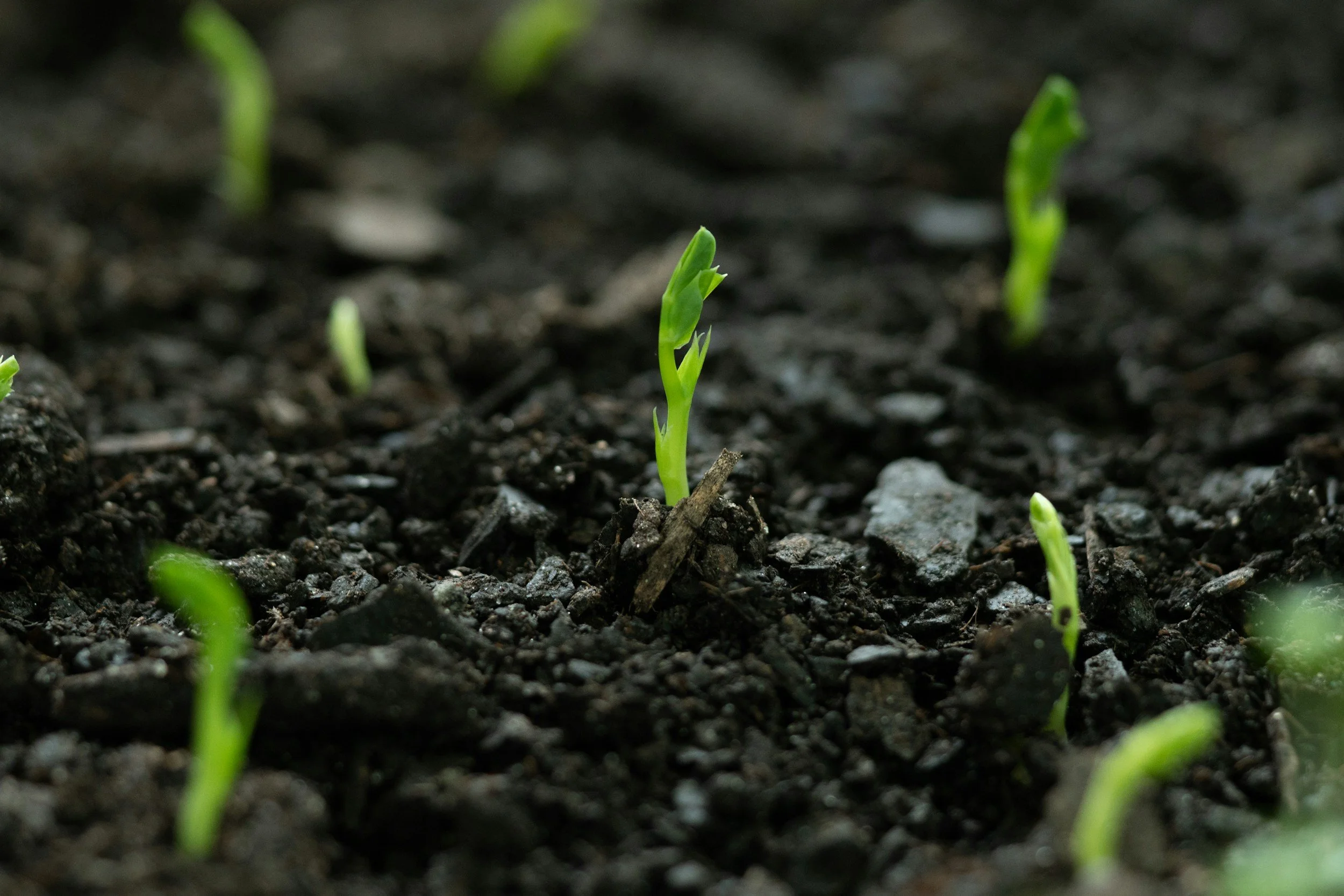
In the Gospel of Luke (13:18-21), Jesus compares the Kingdom of God to two small, seemingly insignificant things:
“What is the kingdom of God like? To what can I compare it? It is like a mustard seed that a person took and planted in the garden. When it was fully grown, it became a large bush and ‘the birds of the sky dwelt in its branches.”
And:
“To what shall I compare the kingdom of God? It is like yeast that a woman took and mixed [in] with three measures of wheat flour until the whole batch of dough was leavened.”
When we tend to the tiniest elements—like seeds and leaven—with consistent care and attentiveness, they can bear incredible fruit in our lives and sustain us for the long haul.
Our sanctity and whole-person health are built less by grand gestures than by faithfulness in small things. We often want to reform our lives all at once—to make a few big, dramatic changes—when the reality is that we must “reform, every day a little,” as Saint Josemaria Escrivá once said. This is the path to wholeness and holiness.
Our Lord does want grand things for us, but the paradox is that we must first show that we can do little things well. “The person who is trustworthy in very small matters is also trustworthy in great ones; and the person who is dishonest in very small matters is also dishonest in great ones” (Lk 16:10).
Why Micro Changes Work
It is easy to feel overwhelmed when pursuing health and personal goals, especially when we have identified more than one area that we need improvement in. It’s natural to feel daunted when we are looking at the end result we desire.
The reality is that lasting, sustainable change requires micro-adjustments and daily commitment, not big, sweeping changes that are hard to maintain. Taking one small step forward at a time—maybe in the course of a day, maybe in the course of an hour, is all forward motion.
Small, sustainable changes require humility. Choosing one modest shift instead of overhauling everything at once is actually an act of trust, not a personal failure. You’re walking hand in hand with God, instead of trying to sprint ahead and do it yourself.
A Radical Call to Simplicity
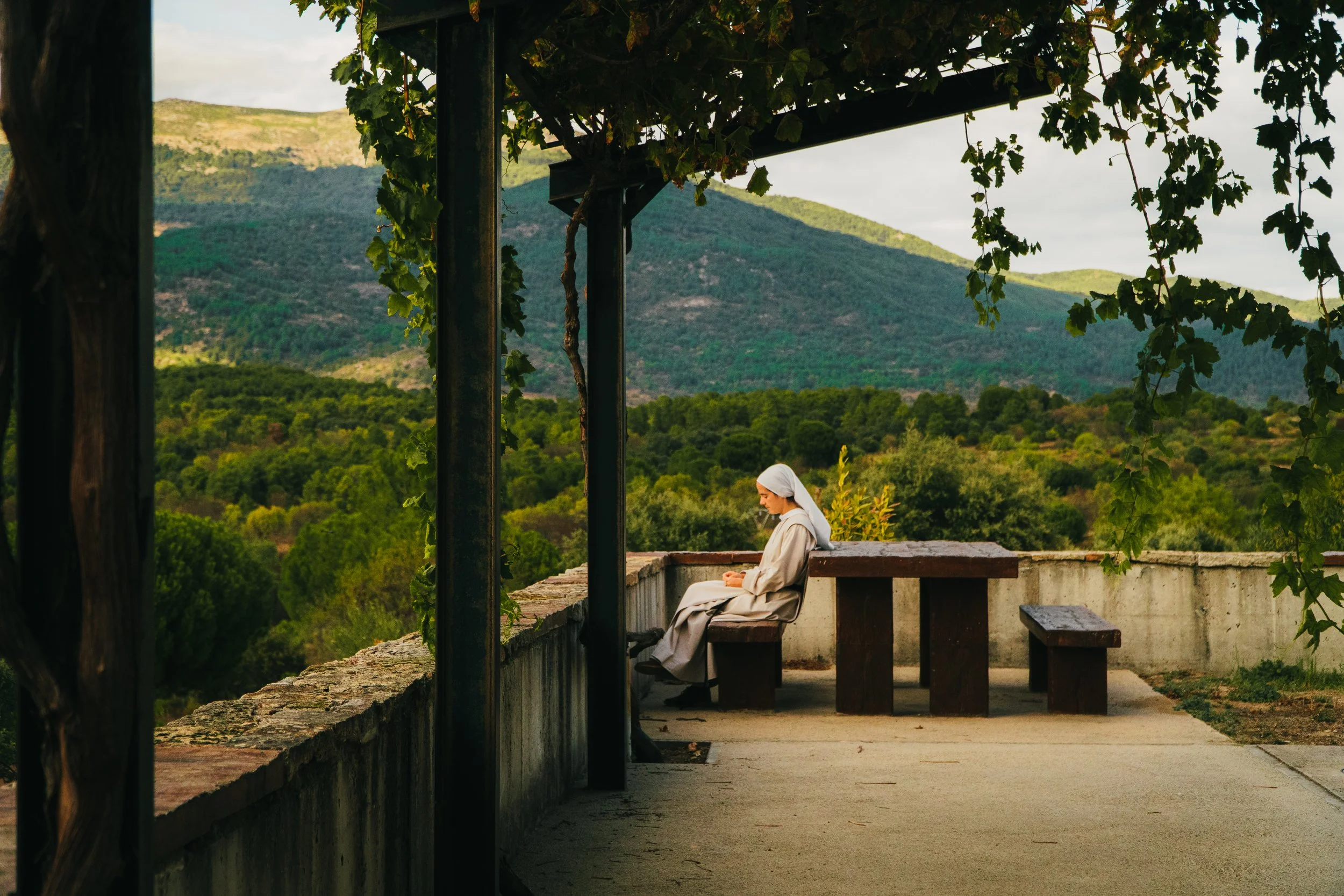
This type of change, where we practice small habits each day, is built around the radical call to simplicity. Simplifying and streamlining isn’t settling for less—it’s clearing space for what actually forms us. We should pray simply, work simply, eat simply, move simply, and rest simply. We might be tempted to think that what’s simple is boring or ineffective, when in reality it is the only way to secure a foundation.
Habit Stacking, Explained Simply
So how can we implement microchanges as a way of pursuing wholiness™? At Reform, we encourage the method of habit-stacking: anchoring a new small practice onto an already-established one, so the existing habit becomes the cue.
For example, a mother may be in the habit of picking up her kids at school in her car. She could add on a rosary during that commute. A seminarian might be in the habit of doing a nightly examen. He could stack on a few minutes of spiritual reading at the end of that practice. A young professional might start the day with a cup of coffee. He or she could drink a glass of water after he’s finished in order to rehydrate. A parent might drop a child off at a regular practice or extracurricular activity. He or she could add on a walk at the field.
By stacking a new habit onto a behavior that is already habitual, we are providing the brain with a cue that it can then associate with a new behavior. With repetition (and patience) we can strengthen neural connections that become more automatic over time.

Awareness and the Health Bank Account
When pursuing Christ-centered health and wellness, it can be helpful to look at the state of our health through the lens of a bank account, and choose to make “deposits” that support us.
Many aspects of our lives—the food we eat, our sleep patterns, how we move, how we handle stress, how we interact with others—factor into the overall balance in this account.
Deposits into this account include the choices and behaviors that create a positive balance—in other words, things that help us to be healthier. Some examples of common daily deposits are spending time in nature, moving for at least 30 minutes, nourishing with whole foods, or creating space for prayer and reflection. Withdrawals are activities and behaviors that subtract from our health account’s balance. Things like too little sleep, inadequate nutrition, or high stress are common withdrawals.
Similar to a financial bank account, the key with your health bank account is to avoid going into bankruptcy. Even small life-giving deposits add up in the long run. By observing your regular deposits and withdrawals, you’ll have a better understanding of what you can “afford” in regards to your health, and begin to make more intentional choices to support your overall well-being.
Stacking healthy habits onto existing habits is a surefire way to run up the deposit side of our health bank accounts. Awareness of our patterns is part of our formation. This is a great way to notice your micro changes and progress toward your goals.
Commitment to Daily Formation
Wholeness and holiness do not happen by accident; they require intentional formation, which is for everyone. We are all called to become saints, to live fully alive, and to be transformed into the likeness of Christ—regardless of our vocation, age, status, or past.
Whether we intend it or not, we are already being formed every day by our choices. What we do and what we avoid, what we give our time to and prioritize or what we ignore all draw us closer to the world’s standards or to God’s idea of who we are to be.
Christian formation is the ordering of our body and soul according to grace, allowing Christ to form us into a new creation. While each person’s rhythm and rule of life will look different, we all need the foundational practices of simplicity, consistency, obedience, and intentionality. As we place Christ at the center, He uses what is ordinary and small to form us into whole and holy people. No one is exempt. No one is disqualified.
Consistency Over Intensity
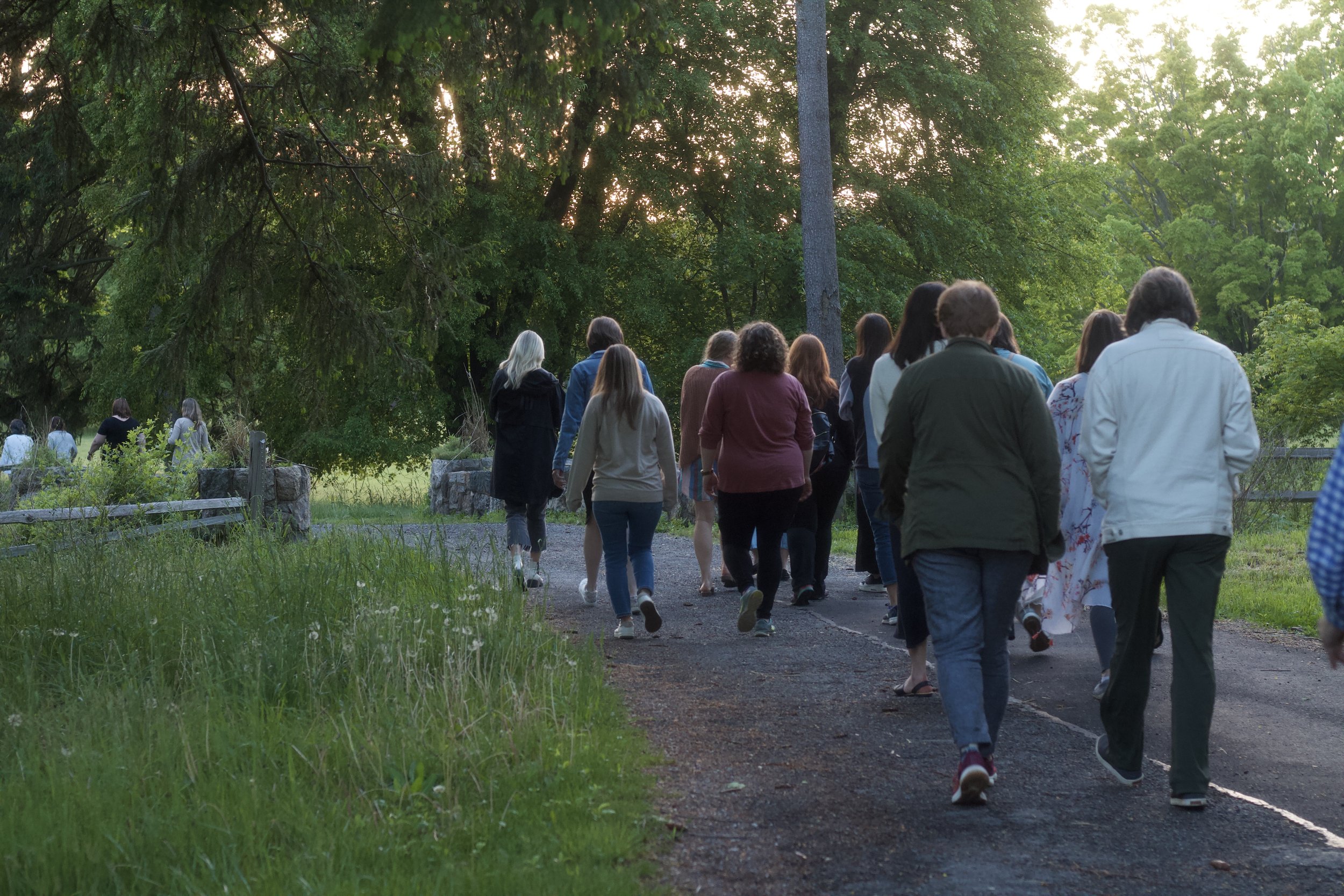
When Our Lord asks us to be faithful in small things, He is asking us for our consistency. Our daily “yes” to good habits and incremental progress forms us the way water forms stone—little by little and over a long period of time. It is closer to how grace actually works in the lives of most people—less a grand, dramatic “aha” moment and more of a gentle refining or polishing.
Making daily progress in each of the wellness pillars as our circumstances allow is what we call a Reform Way of Life. Christ-centered wellness is not a quick-fix. We do not promise or promote a one-size-fits-all silver bullet. Real reform and healing happens a little each day with small changes that most people might not notice. But God notices, and they have real, cumulative effects on your health and holiness.
Start by Doing What's Necessary
If you’re not sure where to begin, we encourage you to follow the wisdom of Saint Francis of Assisi: “Start by doing what’s necessary; then do what’s possible; and suddenly you are doing the impossible.” The first, small, necessary thing is enough to begin. Maybe that is getting more rest or sleep where you can. Maybe it is putting away your screen once or twice during the day when you would rather have it near you. Maybe it is moving ten minutes more a day than you are right now. We often say, “The change we resist the most is often the change we need the most.” Consider what is hardest for you right now, and try just one new micro change in that area.
Closing Invitation
Wholeness and holiness are not unachievable ideals. They are real, and they are possible. We arrive at them by first identifying one micro change that we can make, or stacking one habit onto another that is already in place. We invite you to commit to that new practice just for today as an act of trust, not a challenge. And then tomorrow, do that one thing again, just for that day.
God wants to give you the big, extraordinary things in life. Show Him you’re ready by being faithful in small things.
We invite you to explore our best practices for each of our nine wellness pillars to see how you can implement these small changes and habits in your own daily formation. Please also visit our offerings to learn more about our signature twelve-week course, Reform Online™ or consider attending an upcoming retreat if you are looking for more structure and in-person accompaniment to put your habits into practice.